
Blog
Working with Specialty Fabrics: What Every Alteration Specialist Should Know
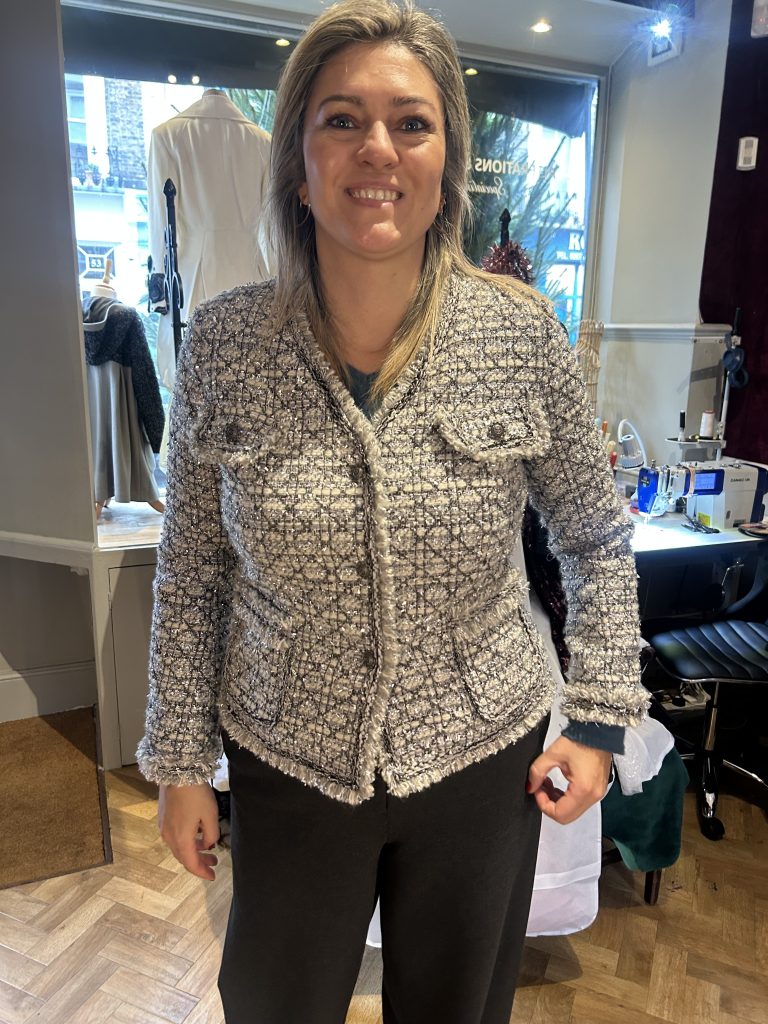
Specialty fabrics fail in predictable ways when they are treated like ordinary wool. Bouclé frays. Leather remembers a needle hole. Sequins shatter under a presser foot. Bias-cut silk grows after you hang it. An alteration that looks simple on a cotton shirt can become a reconstruction once the cloth has a pile, a coating, or a surface that cannot be unpicked twice. The first job is to name the fabric properly and to plan the seam around how it actually behaves, not around how a standard side-seam should look.
Cloth that frays, coats or shines
Bouclé and tweed look sturdy, but the yarns are often looped and loosely bound. Once you open a seam, the edge wants to unravel. We stay-stitch or bind before we move anything, and we press over a cloth so the loops do not flatten into a shiny track. Velvet and other pile weaves have a nap: steam and a heavy iron will crush it permanently. Seams are pressed open over a velvet board or with the pile facing down. Leather and coated fabrics do not heal. Every stitch leaves a hole, so the line has to be right the first time. We use the correct needle, a longer stitch, and clips rather than pins wherever a pin would scar the face.
Beaded and sequinned cloth is a different problem. The decoration sits on a net or a silk ground that tears if you drag it through a machine. Beads along a new seam are removed, the seam is sewn, and the beads are sewn back so the pattern continues. You cannot take a shortcut through a sequinned hem with a domestic overlocker and expect the edge to look like the original couture finish. Chiffon, georgette and bias-cut evening fabrics stretch as they hang. We often let a pinned hem drop overnight before we cut, because a length that was perfect on the dummy can be a centimetre long by morning.
What the client should expect
Specialty work takes more time than a standard take-in, and the quote should say so. There may be no spare cloth inside the hem to let a leather skirt down. There may be no matching bouclé if a damaged edge has to be recut. We would rather explain that at the first fitting than discover it after the original edge has been discarded. Bring a spare button, a leftover bead pack, or a swatch if the maker supplied one. At Altbes we treat the fabric as the authority: the alteration follows the cloth, and the finish is judged in the same light the garment will be worn in, not only under workshop lamps.
Related posts
The Case for In-Home and In-Hotel Fittings
In-home and in-hotel fittings bring the atelier to you when travel, privacy or a packed schedule make a studio visit difficult.
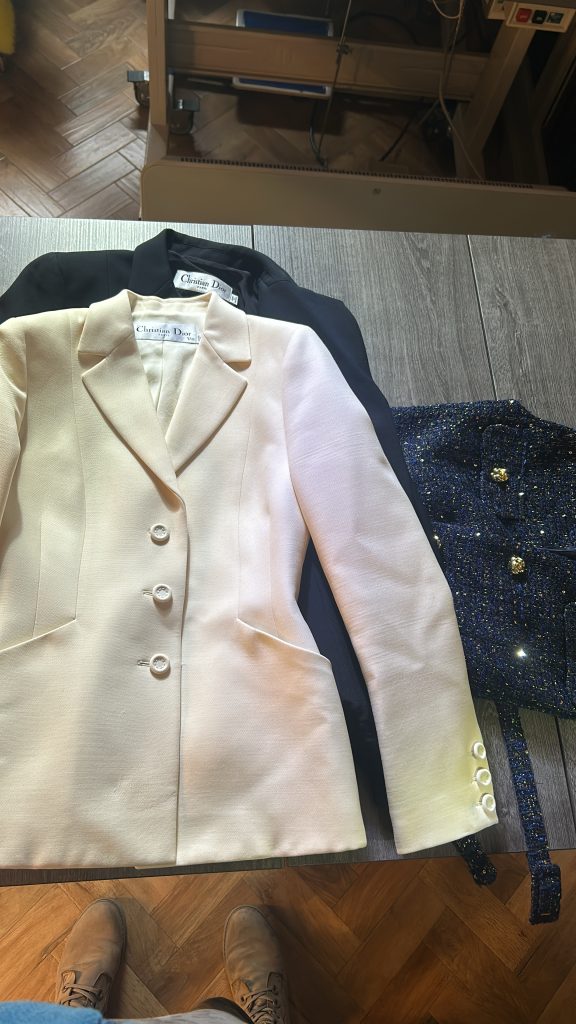
Garment Copying: Recreating a Beloved Piece of Clothing
A garment copy rebuilds a favourite piece from the original as a pattern. It is not a shortcut around design, and it is not a counterfeit of a label.
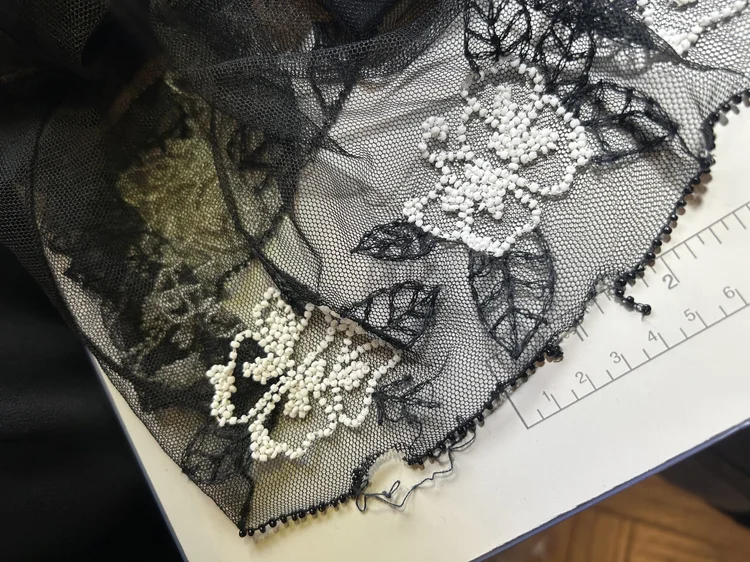
Embroidery and Beading Repairs: Restoring Delicate Details
Beading and embroidery cannot be treated like ordinary seams. Repair means matching, restabilising and sewing by hand.