
Blog
The Art of Invisible Mending: Repairing Without a Trace
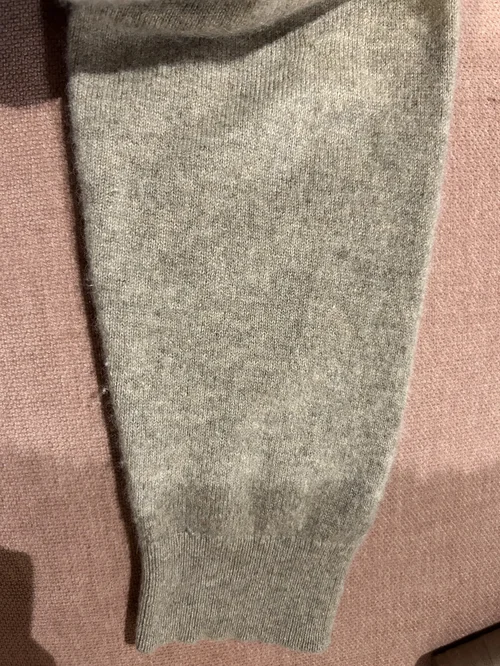
Invisible mending is the slow cousin of a patch. Instead of covering a hole, the tailor rebuilds the missing cloth so that the surface reads as if nothing happened. It is the right method when the garment is worth saving — a favourite knit, a fine wool jacket, a silk blouse with a small burn — and when the damage is local rather than structural. Done well, the repair should disappear at conversational distance. Done in a hurry, it becomes a shiny patch that the eye finds immediately.
What the method can and cannot do
The classic case is a moth hole in wool or cashmere. The surrounding yarns are still sound; only a few millimetres of cloth are gone. We match fibre, twist and colour as closely as the remaining yarn allows, then reweave or reknit across the gap, locking the new threads into the existing structure. Knitwear is often darned from the reverse so the face keeps its stitch pattern. Woven cloth is reweaved along warp and weft so the twill or plain weave continues through the repair. A cigarette burn or a snag is treated the same way if the scorch has not stiffened a wide halo of fibres.
There are limits. If the cloth has thinned across a whole elbow, seat or cuff, a single hole is only the first of several. Reweaving one spot will not restore strength to fabric that is already worn through. In those cases we discuss a reweave of the worst area, a discreet patch from spare cloth, or replacing a panel. Prints and checks are harder than plains: the pattern has to land on the same intersection, or the repair will telegraph as a shift. Very dark navy and black are also unforgiving, because any difference in nap or sheen shows in raking light.
Aftercare and when to bring the piece in
Bring the garment as soon as you notice the damage. Washing or wearing a hole lets it grow, and neighbouring yarns start to ladder. We photograph the area, test colour on a hidden seam, and agree whether the repair will be truly invisible or merely unobtrusive. After the work, the piece should be worn and cleaned as before; the mend is part of the cloth, not a temporary stitch sitting on top. At the Pimlico atelier we would rather be honest about a repair that will always be slightly visible than promise a vanishing act the fibre cannot support. That honesty is what keeps invisible mending an art rather than a marketing phrase.
Related posts

The Case for In-Home and In-Hotel Fittings
In-home and in-hotel fittings bring the atelier to you when travel, privacy or a packed schedule make a studio visit difficult.
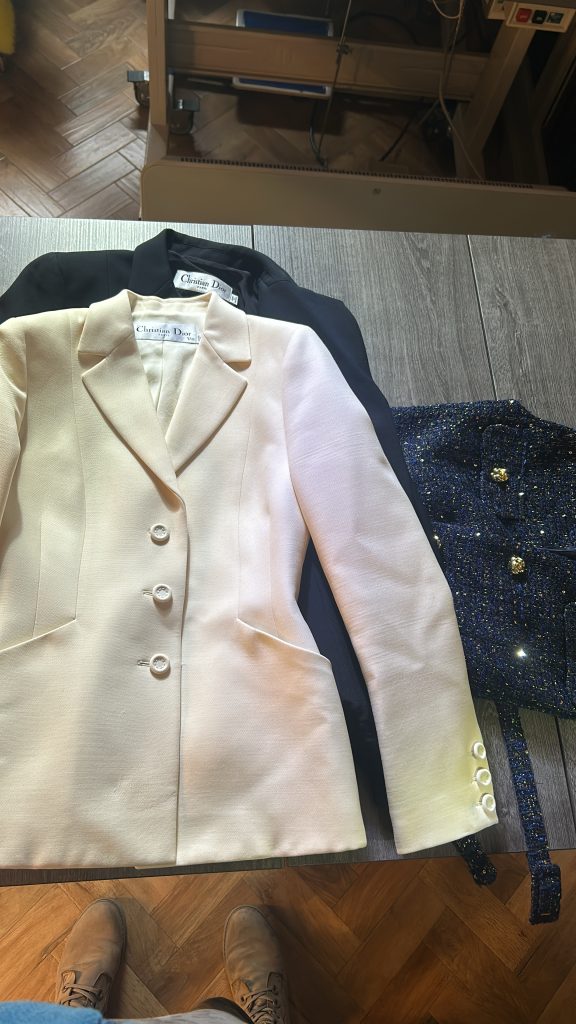
Garment Copying: Recreating a Beloved Piece of Clothing
A garment copy rebuilds a favourite piece from the original as a pattern. It is not a shortcut around design, and it is not a counterfeit of a label.
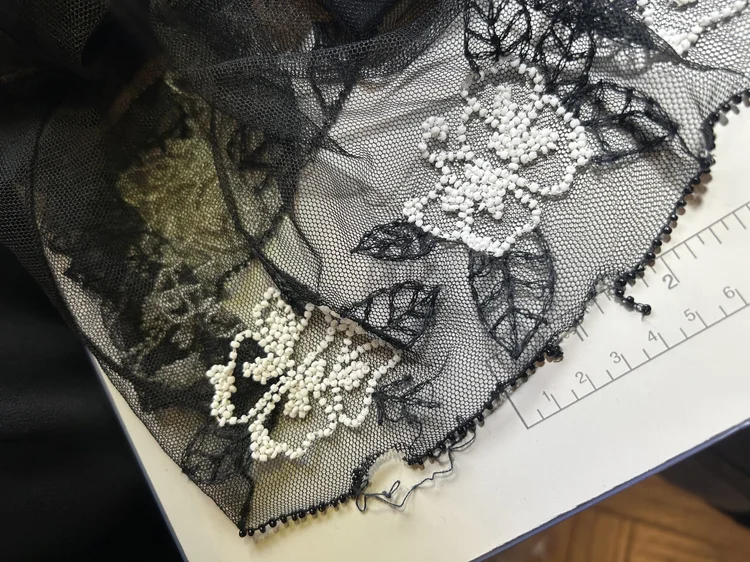
Embroidery and Beading Repairs: Restoring Delicate Details
Beading and embroidery cannot be treated like ordinary seams. Repair means matching, restabilising and sewing by hand.